screenshot 2026 01 13 151529

Top Digital Marketing Mistakes Small Businesses Make (And How to Fix Them)

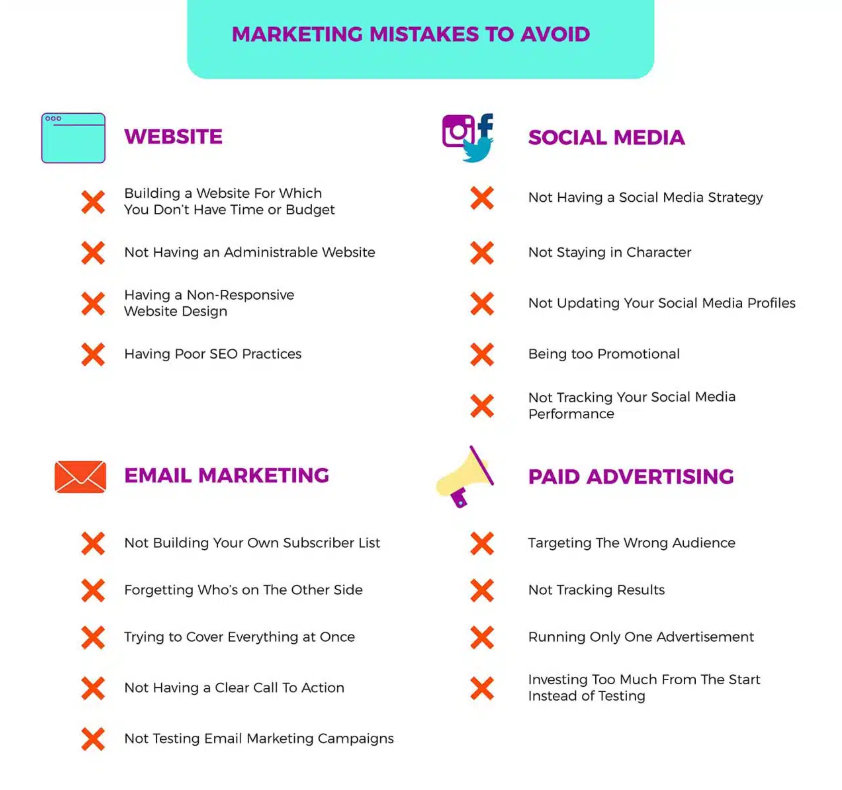
1. The Hidden Cost of Digital Marketing Mistakes Digital marketing has become an essential growth engine for small businesses. However, many businesses unknowingly make critical mistakes that limit their success. Instead of accelerating growth, poor digital decisions often result in wasted budgets, weak visibility, and missed opportunities. At the beginning of my professional journey, I witnessed these challenges firsthand. Initially, I underestimated how strategic digital marketing must be. Like many small businesses, I believed that simply being online was enough. Over time, I realized that without clarity, planning, and execution, digital marketing efforts fail to deliver results. This realization marked the beginning of a transformational learning process. 2. Mistake One: Operating Without a Clear Digital Strategy One of the most common digital marketing mistakes small businesses make is operating without a defined strategy. Many brands jump into social media, websites, or paid advertising without understanding their goals. As a result, their efforts lack direction and consistency. Through my digital marketing journey, I learned that strategy determines success. A clear digital marketing strategy aligns business goals with measurable actions. When small businesses define their audience, objectives, and platforms in advance, they gain control over performance and outcomes. 3. Mistake Two: Ignoring Target Audience Insights Another critical mistake involves ignoring audience research. Small businesses often assume they understand their customers without validating those assumptions. Consequently, marketing messages fail to connect, and engagement remains low. Digital marketing taught me the importance of data-driven decisions. By analyzing customer behavior, preferences, and pain points, I refined messaging and positioning. This shift allowed me to create relevant content that resonated with the right audience and improved conversion rates significantly. 4. Mistake Three: Poor Website Experience and Optimization A website represents the foundation of digital marketing for small businesses. Unfortunately, many websites suffer from slow loading times, poor navigation, and unclear messaging. These issues drive visitors away before they take action. During my journey, I learned that optimization directly impacts credibility. By improving website structure, mobile responsiveness, and clarity, I enhanced user experience. As a result, visitors stayed longer, trusted the brand more, and engaged with content effectively. 5. Mistake Four: Inconsistent Branding Across Platforms Brand inconsistency creates confusion and weakens trust. Many small businesses use different tones, visuals, and messages across platforms. Consequently, their brand identity appears fragmented and unreliable. Digital marketing helped me understand the power of consistency. By maintaining uniform branding across websites, social media, and marketing materials, I built recognition and authority. Over time, consistent branding strengthened credibility and supported long-term small business growth. 6. Mistake Five: Overlooking Content Marketing Value Some businesses treat content as an optional activity rather than a strategic asset. They focus only on promotions and sales-driven posts. However, this approach often leads to audience disengagement. My digital marketing journey highlighted the importance of valuable content. Educational blogs, informative posts, and problem-solving content positioned the brand as an industry authority. As a result, trust increased, and marketing efforts became more sustainable. 7. Mistake Six: Misusing Social Media Platforms Social media misuse represents another major online marketing mistake. Small businesses frequently post without purpose or chase trends without alignment. Consequently, their content fails to support broader business goals. Through structured digital marketing, I learned to use social media strategically. By selecting the right platforms and posting value-driven content, engagement improved steadily. Social media then evolved into a relationship-building tool rather than a promotional outlet. 8. Mistake Seven: Ignoring Analytics and Performance Data Many small businesses neglect analytics, relying instead on assumptions. Without tracking performance, businesses cannot identify what works or what needs improvement. Digital marketing changed my approach by introducing measurable insights. Analytics revealed customer behavior, campaign performance, and growth opportunities. Consequently, data-driven decisions replaced guesswork, leading to better results and efficient resource allocation. 9. Mistake Eight: Expecting Instant Results One of the most damaging misconceptions in digital marketing involves expecting immediate success. Small businesses often abandon strategies prematurely when results do not appear instantly. My journey taught me that digital marketing requires patience and consistency. Sustainable growth develops through continuous optimization and long-term commitment. When businesses embrace this mindset, they achieve meaningful and lasting outcomes. 10. Fixing the Mistakes: Lessons from My Digital Marketing Journey Fixing digital marketing mistakes begins with awareness and education. Through experience, I learned that success depends on strategy, consistency, and adaptability. Each mistake provided an opportunity for improvement and growth. Today, digital marketing defines my professional approach. By avoiding common pitfalls and applying proven strategies, small businesses can achieve scalable growth. Ultimately, digital marketing transformed my journey and continues to empower businesses that embrace it effectively. Conclusion: Turning Mistakes into Growth Opportunities Top digital marketing mistakes do not signal failure; instead, they highlight areas for improvement. When small businesses identify and fix these errors, they unlock growth potential. Digital marketing provides the tools to build visibility, trust, and authority. My journey proves that learning from mistakes creates stronger strategies. With clarity, consistency, and data-driven execution, small businesses can transform challenges into long-term success through digital marketing.

Top Digital Marketing Mistakes Small Businesses Make (And How to Fix Them) Read More »
screenshot 2026 01 13 145700

Personal Branding for Freelancers: How Digital Marketing Changed My Journey

1. The Foundation of a Freelance Identity Personal branding has become an essential pillar for freelancers in the modern digital economy. In a marketplace filled with competition, skills alone rarely guarantee success. Instead, clients seek professionals who communicate trust, authority, and clarity through their online presence. At the beginning of my freelance journey, I underestimated the power of personal branding and focused only on delivering services. However, that approach limited my growth and visibility. Over time, I realized that personal branding defines how people perceive your value before they ever speak to you. Through digital marketing, I began shaping a clear identity that reflected my expertise, values, and professionalism. As a result, potential clients no longer viewed me as just another freelancer but as a reliable digital specialist with a distinct voice and direction. 2. Understanding Personal Branding Beyond a Logo Many freelancers mistakenly believe personal branding is limited to logos, colors, or visual design. While visual identity plays an important role, true personal branding extends far beyond aesthetics. It includes communication style, content quality, online behavior, and the consistency of messaging across platforms. Digital marketing helped me understand branding as a strategic process rather than a creative task alone. By aligning my messaging across websites, social media platforms, and professional networks, I ensured that my brand voice remained consistent. Consequently, my audience developed familiarity and trust, which are essential elements in long-term freelance success. 3. Digital Marketing as a Career Turning Point Digital marketing marked a turning point in my freelance journey. Initially, I relied on referrals and small networking circles to find work. Although that method provided short-term opportunities, it lacked scalability. Digital marketing introduced me to systems that generated visibility consistently. Through content creation, search engine optimization, and social media engagement, I expanded my reach beyond geographic boundaries. Moreover, digital marketing allowed me to attract clients who aligned with my expertise rather than chasing random opportunities. This shift transformed my freelancing model from reactive to strategic. 4. Building Authority Through Content Strategy Content became the backbone of my personal brand. Instead of promoting services directly, I focused on sharing insights, experiences, and educational content. This approach positioned me as a knowledgeable professional rather than a salesperson. As a result, audiences engaged with my content more organically. Furthermore, consistent content creation strengthened my credibility. Blog posts, case studies, and professional updates demonstrated my understanding of industry trends. Over time, this content established authority and made clients confident in choosing my services without hesitation. 5. The Role of Consistency in Brand Growth Consistency plays a critical role in personal branding. Without it, even the best strategies fail to produce results. In the early stages, inconsistency limited my brand recognition. Posting irregularly and changing messaging created confusion rather than clarity. Digital marketing frameworks helped me adopt disciplined workflows. By maintaining consistency in tone, design, and posting schedules, I built a recognizable online presence. Consequently, my brand became more memorable, and engagement levels increased steadily across platforms. 6. Leveraging Social Media with Purpose Social media is often misunderstood as a platform for promotion alone. However, when used strategically, it becomes a powerful branding tool. I shifted my focus from promotional content to value-driven communication. This change significantly improved audience interaction. In addition, digital marketing strategies allowed me to analyze performance metrics and refine my approach. By understanding audience behavior, I created content that addressed real problems. Over time, social media transformed into a channel for relationship building rather than mere visibility. 7. Search Visibility and Long-Term Brand Equity Search engine visibility played a vital role in strengthening my personal brand. Unlike short-term marketing tactics, search-driven traffic provides long-term value. By optimizing my website and content, I ensured that my professional profile remained accessible to potential clients at all times. Moreover, digital marketing taught me the importance of intent-based visibility. When clients searched for solutions, my content appeared as a relevant answer. This positioning reinforced trust and improved conversion rates without aggressive selling. 8. Trust, Credibility, and Professional Perception Trust remains one of the most important assets for freelancers. Clients prefer professionals who demonstrate reliability and expertise consistently. Through digital marketing, I learned how to showcase credibility using testimonials, case studies, and transparent communication. Additionally, personal branding allowed me to control my professional narrative. Instead of letting platforms define my value, I communicated my strengths clearly. As a result, clients approached discussions with confidence in my capabilities, making collaborations smoother and more productive. 9. Personal Branding as a Long-Term Investment Personal branding is not a short-term tactic but a long-term investment. Unlike temporary marketing campaigns, a strong brand compounds over time. Digital marketing provided me with tools to build sustainable visibility rather than instant attention. As my brand matured, opportunities expanded organically. Partnerships, referrals, and premium clients emerged naturally. This growth confirmed that personal branding, when supported by digital marketing, creates stability and scalability for freelancers. 10. Lessons Learned and Future Outlook Looking back, digital marketing did not merely enhance my freelance career—it reshaped it entirely. The journey taught me that visibility without clarity is ineffective, and promotion without value lacks impact. Personal branding bridged that gap by aligning purpose with strategy. Moving forward, I continue refining my brand to stay relevant in a dynamic digital landscape. By adapting to new platforms and evolving audience expectations, I ensure sustainable growth. Ultimately, personal branding empowered me to take control of my freelance journey with confidence and direction. Conclusion: Defining Success Through Strategic Branding Personal branding for freelancers is no longer optional; it is essential. Digital marketing provides the structure, tools, and insights needed to build a strong professional identity. Through consistent effort and strategic thinking, freelancers can transform their careers significantly. My journey stands as proof that intentional branding changes perception, builds trust, and unlocks opportunities. By combining authenticity with digital marketing strategies, freelancers can create lasting impact and long-term success in an increasingly competitive marketplace.

Personal Branding for Freelancers: How Digital Marketing Changed My Journey Read More »

pppjkpn

How I Build Digital Growth Systems Without Ads (Real Framework I Use for Clients)

1. Rethinking Growth in the Age of Digital Marketing Digital marketing has evolved significantly over the last decade. While paid advertising once dominated growth strategies, businesses today increasingly face rising costs, lower trust, and short-term results from ads. Therefore, relying entirely on paid channels often limits sustainable growth. In contrast, a system-driven approach focuses on building long-term value rather than chasing immediate visibility. Moreover, digital marketing without ads is not about avoiding investment; instead, it is about reallocating effort into assets that compound over time. By building structured growth systems, brands create consistency, authority, and predictable outcomes. As a result, businesses gain stability even in competitive markets. 2. Why I Avoid Ads as the Foundation of Digital Marketing Paid ads can generate traffic quickly; however, speed does not always equal sustainability. Once ad spend stops, traffic disappears. Consequently, businesses become dependent on continuous spending rather than strategic growth. For this reason, I treat ads as an accelerator—not a foundation—within digital marketing systems. Furthermore, organic digital marketing builds trust before conversion. Audiences engage with content, learn from value, and develop confidence in a brand’s expertise. Therefore, when conversion finally happens, it occurs naturally and with less resistance. This trust-first model consistently outperforms cold ad traffic in long-term results. 3. The Philosophy Behind My Digital Growth Systems Every successful digital marketing system begins with clarity. Instead of focusing on tactics, I start with purpose: who the audience is, what problem they face, and why they should trust the brand. This strategic clarity ensures that every action supports a larger objective. In addition, systems outperform isolated efforts. Posting content randomly or optimizing SEO without intent rarely delivers consistent growth. Therefore, I design digital marketing systems where each component supports the others. As a result, growth becomes predictable instead of accidental. 4. Layer One: Building a Content Engine That Attracts Content is the entry point of modern digital marketing. However, content without structure often fails. I focus on creating a content engine designed to educate, attract, and position authority. This includes blogs, short-form videos, and platform-specific content aligned with audience intent. Moreover, consistency matters more than virality. While viral content creates spikes, strategic content builds momentum. Therefore, I prioritize repeatable formats, clear messaging, and problem-solution narratives. Over time, this approach establishes credibility and attracts qualified attention organically. 5. Layer Two: Authority and Trust in Digital Marketing Trust is the currency of digital marketing. Without it, even the best content struggles to convert. Consequently, I integrate authority-building elements such as case studies, personal insights, testimonials, and transparent processes into every growth system. Additionally, personal branding plays a crucial role. People trust people more than logos. Therefore, I ensure that the brand voice remains human, clear, and experience-driven. As a result, audiences feel confident engaging, sharing, and eventually converting 6. Layer Three: Conversion Without Pressure Most digital marketing fails at the conversion stage due to aggressive selling. In contrast, my framework focuses on frictionless conversion. Instead of forcing decisions, I guide prospects through clarity and relevance. Furthermore, conversion paths must remain simple. Whether through direct messages, contact forms, or landing pages, every step should remove confusion. Consequently, users act confidently because the system has already answered their objections through content and trust. 7. SEO as a Long-Term Digital Marketing Asset Search engine optimization remains one of the most powerful tools in digital marketing. Unlike ads, SEO compounds over time. Therefore, I design content that answers real search intent while maintaining authority and relevance. Moreover, SEO is not just about keywords; it is about structure, clarity, and usefulness. By creating evergreen content and optimizing technical elements, brands build traffic systems that work continuously. As a result, visibility grows without recurring costs. 8. Tools and Systems That Support Organic Growth Digital marketing systems require the right tools for execution and measurement. However, complexity does not guarantee success. Therefore, I use simple, scalable tools that support content creation, analytics, and communication. In addition, tools should enhance strategy—not replace it. Automation, scheduling, and tracking only work when aligned with clear goals. Consequently, I focus on systems that reduce manual effort while increasing consistency and insight. 9. Common Digital Marketing Mistakes I Actively Avoid Many businesses chase trends instead of strategy. As a result, they jump from one digital marketing tactic to another without measurable outcomes. I avoid this by anchoring every decision to a clear framework. Another frequent mistake is ignoring audience feedback. Digital marketing is a two-way process, not a broadcast. Therefore, I continuously refine systems based on engagement, behavior, and performance data. This adaptability ensures long-term relevance. 10. Who This Digital Marketing System Is Not For This approach is not designed for those seeking overnight results. Digital marketing systems require patience, discipline, and consistency. If instant visibility is the only goal, ads may appear more attractive. However, for brands that value longevity, trust, and control, this system delivers exceptional results. Therefore, commitment to the process determines success more than budget or scale. 11. Final Thoughts: Building Digital Marketing That Lasts Digital marketing without ads is not a shortcut; it is a strategic commitment. By building systems instead of campaigns, brands create assets that grow stronger over time. Consequently, they reduce dependency, increase authority, and achieve sustainable growth. Ultimately, digital marketing works best when strategy leads execution. Through content, trust, and structured conversion, businesses can grow organically with confidence. This is the framework I use—and the system that consistently delivers results for my clients.

How I Build Digital Growth Systems Without Ads (Real Framework I Use for Clients) Read More »

How to Create a Winning Digital Marketing Strategy

In today’s hyper-connected world, businesses of all sizes rely heavily on digital marketing to reach and engage their target audience. A well-crafted digital marketing strategy not only boosts visibility but also drives long-term growth, customer loyalty, and profitability. However, developing a winning strategy requires careful planning, consistent execution, and continuous optimization. This comprehensive guide explores the essential steps to building a results-driven digital marketing plan that positions your brand for success in 2025 and beyond. Understanding the Essence of Digital Marketing At its core, digital marketing refers to the use of online channels—such as search engines, social media, email, and websites—to promote products or services. It allows organizations to communicate directly with potential customers, track their behaviors, and deliver personalized experiences. Unlike traditional advertising, digital marketing provides measurable results. Businesses can analyze data in real time, adjust campaigns instantly, and allocate budgets more efficiently. Consequently, this data-driven nature makes digital marketing one of the most effective and adaptable forms of modern communication. Identifying and Understanding Your Target Audience Knowing your audience is fundamental to crafting an effective digital marketing strategy. Before investing in campaigns, it’s essential to conduct thorough market research and create detailed buyer personas. These personas represent your ideal customers, including their demographics, preferences, challenges, and buying behaviors. Furthermore, understanding your audience’s online habits helps determine which platforms to focus on—be it social media, email marketing, or search engines. When messages are tailored to specific audience segments, engagement levels rise, and conversion rates significantly improve. Thus, customer insight becomes the backbone of every successful marketing decision. Conducting a Comprehensive Competitor Analysis Competition in the digital world is fierce. Therefore, analyzing your competitors provides valuable insights into what works—and what doesn’t—within your industry. Start by examining their websites, social media presence, and content marketing strategies. Identify the types of content they publish, how frequently they post, and the engagement levels they receive. Additionally, competitor analysis reveals gaps in the market that your brand can exploit. By observing their strengths and weaknesses, you can refine your own digital marketing strategy to stand out. In essence, learning from competitors saves time, enhances creativity, and ensures your campaigns remain relevant and competitive. Selecting the Right Digital Marketing Channels A winning strategy requires the right mix of marketing channels. The most common and effective ones include: Search Engine Optimization (SEO): Enhances website visibility on search engines. Content Marketing: Builds authority and trust through valuable content. Social Media Marketing: Promotes engagement and brand loyalty. Email Marketing: Nurtures leads and strengthens relationships. Pay-Per-Click Advertising (PPC): Drives quick, targeted traffic. Choosing the appropriate channels depends on your business goals and audience preferences. For example, an e-commerce brand may prioritize social media and paid ads, while a B2B company may focus more on content marketing and email campaigns. The key lies in maintaining a balanced, multi-channel approach that maximizes reach and impact. Crafting High-Quality and Engaging Content In digital marketing, content is king—but only when it delivers genuine value. High-quality content attracts, educates, and converts audiences. It includes blog posts, videos, infographics, podcasts, and newsletters that align with your audience’s interests and needs. To create engaging content, ensure it is informative, visually appealing, and optimized for SEO. Incorporating relevant keywords like digital marketing naturally throughout your content improves visibility without compromising readability. Additionally, consistency in tone, branding, and publishing frequency reinforces credibility and keeps your audience coming back for more.

How to Create a Winning Digital Marketing Strategy Read More »